Category-Level Optimization
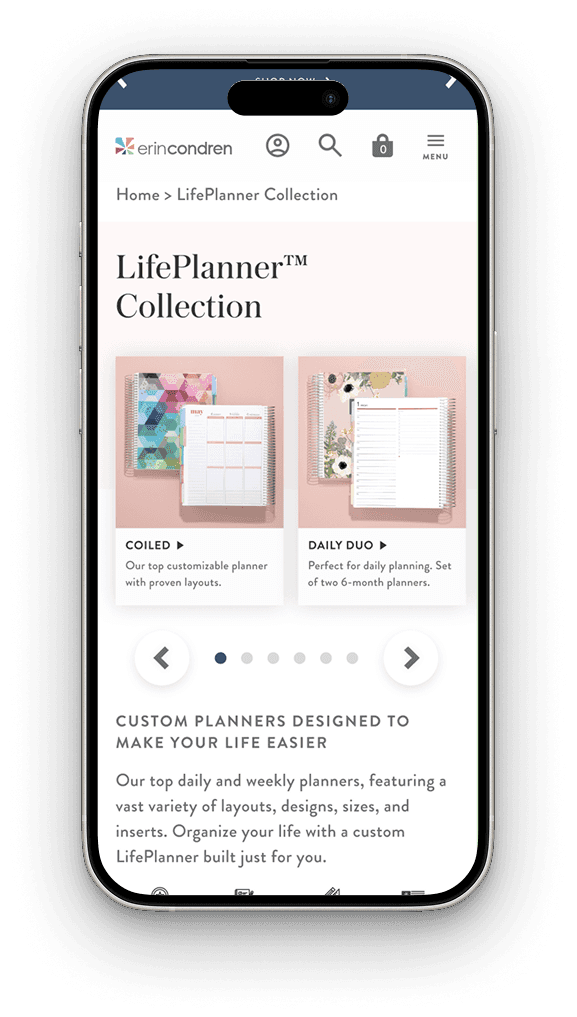
Project Overview
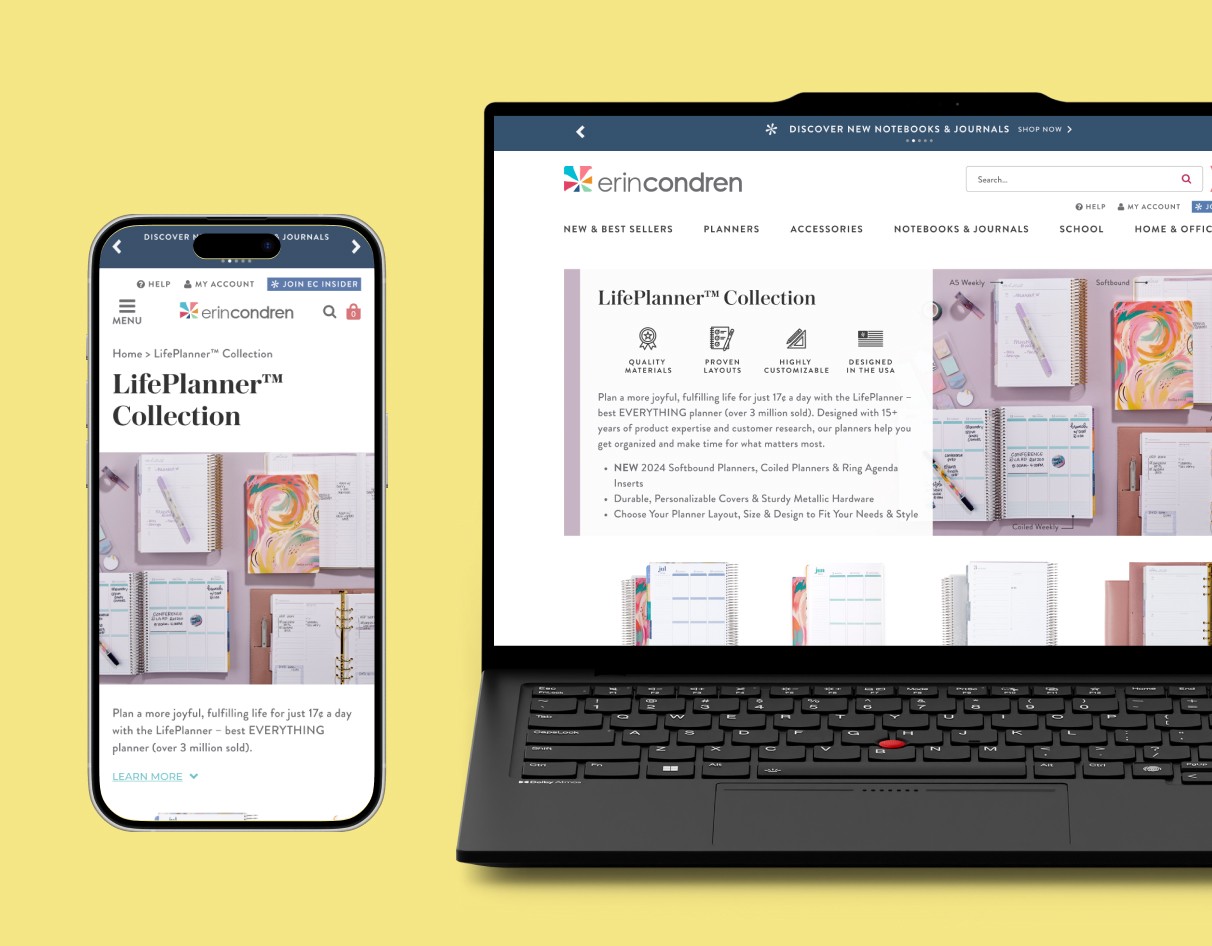
Erin Condren's category pages were text-heavy, hard to scan on mobile, and required customers to scroll the entire page just to understand what products were available. Past A/B test data hinted a more streamlined pattern would improve conversion. I led the redesign from research through a phased rollout across all major categories.
Problem
Text-heavy category pages with no above-fold navigation, making it hard for customers to discover products or find what they were looking for.
My Role
End-to-end Product Designer
Result
34% increase in conversion rate. 30% reduction in bounce rate. Rolled out across all major category pages.
Lots of Saying, No Showing
The old design relied on copy to do the work that visuals should have done. Most customers didn't read it. Newer customers had no way to understand a category at a glance or find the right subcategory without scrolling the entire page.
Past A/B tests pointed to the same three gaps: too much copy, no subcategory navigation above the fold, and product discovery that required too much effort.
Goals
Three goals shaped the direction before any design work began:
Educate customers on a category without overwhelming them.
Enhance discovery of subproducts.
What I Did & Why
Grounded decisions in data and research
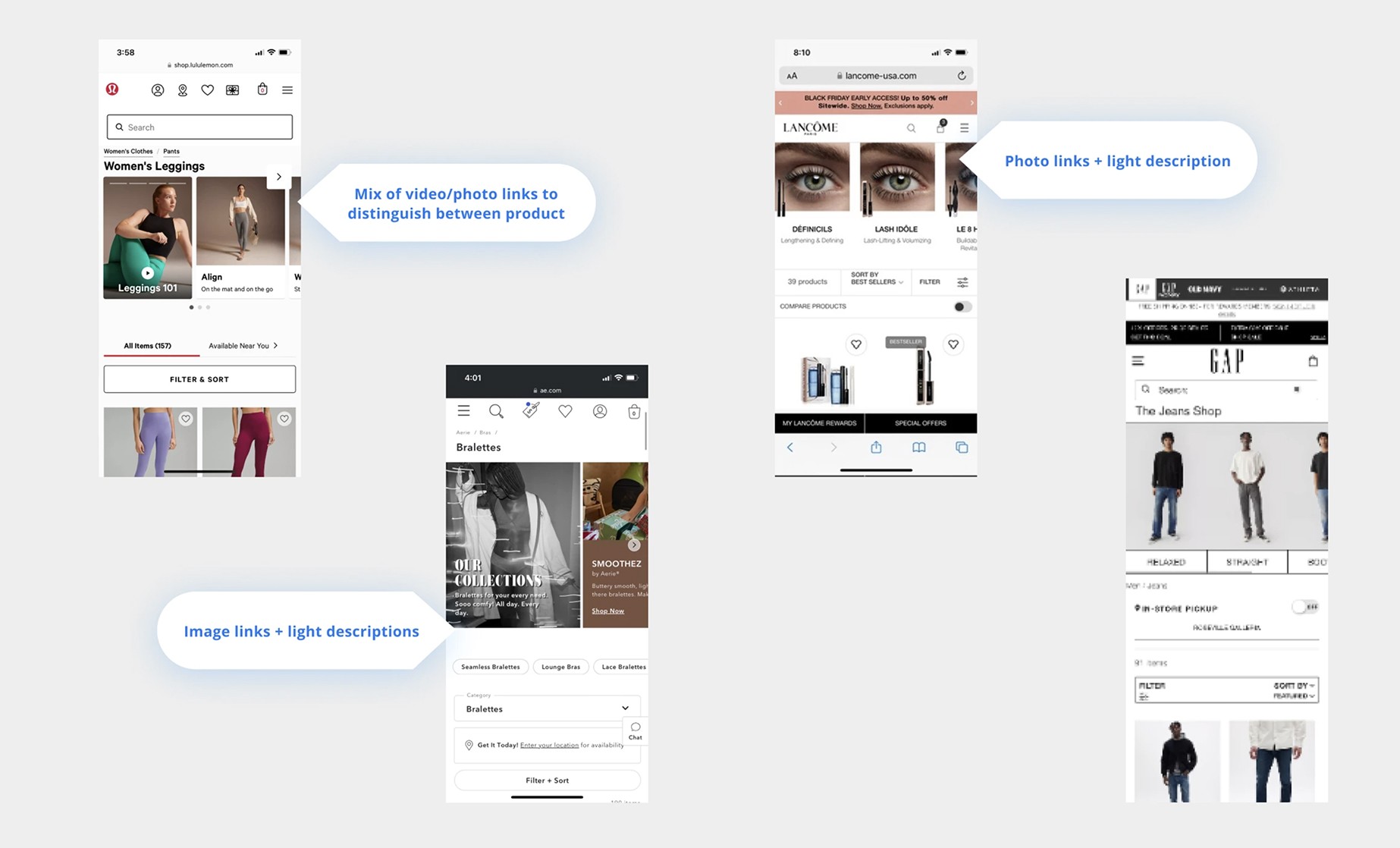
I combined past A/B test results, competitive analysis of indirect competitors including Athleta, Lancôme, and Gap, and NNG and Baymard category page best practices to establish a design direction before ideation.
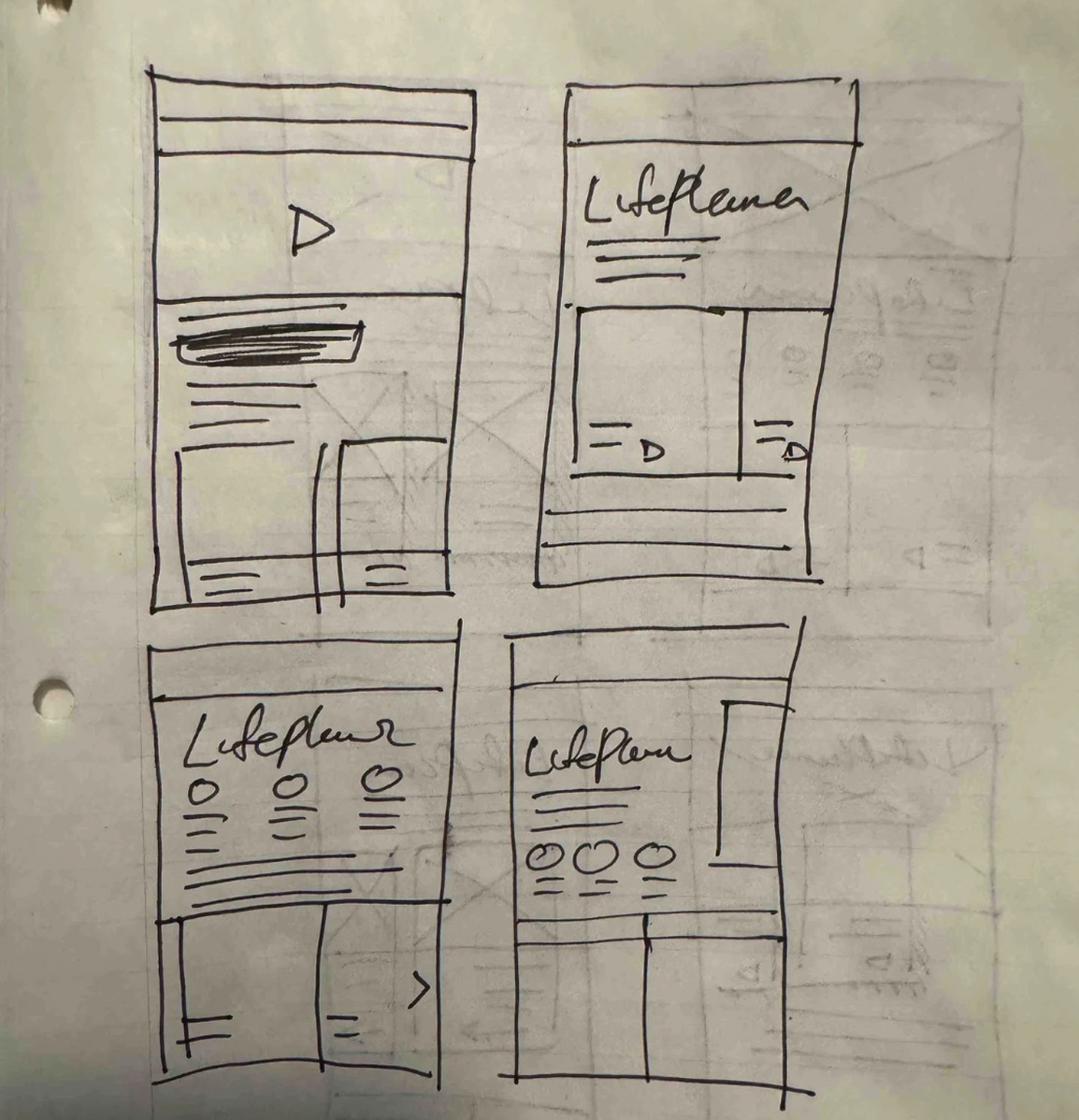
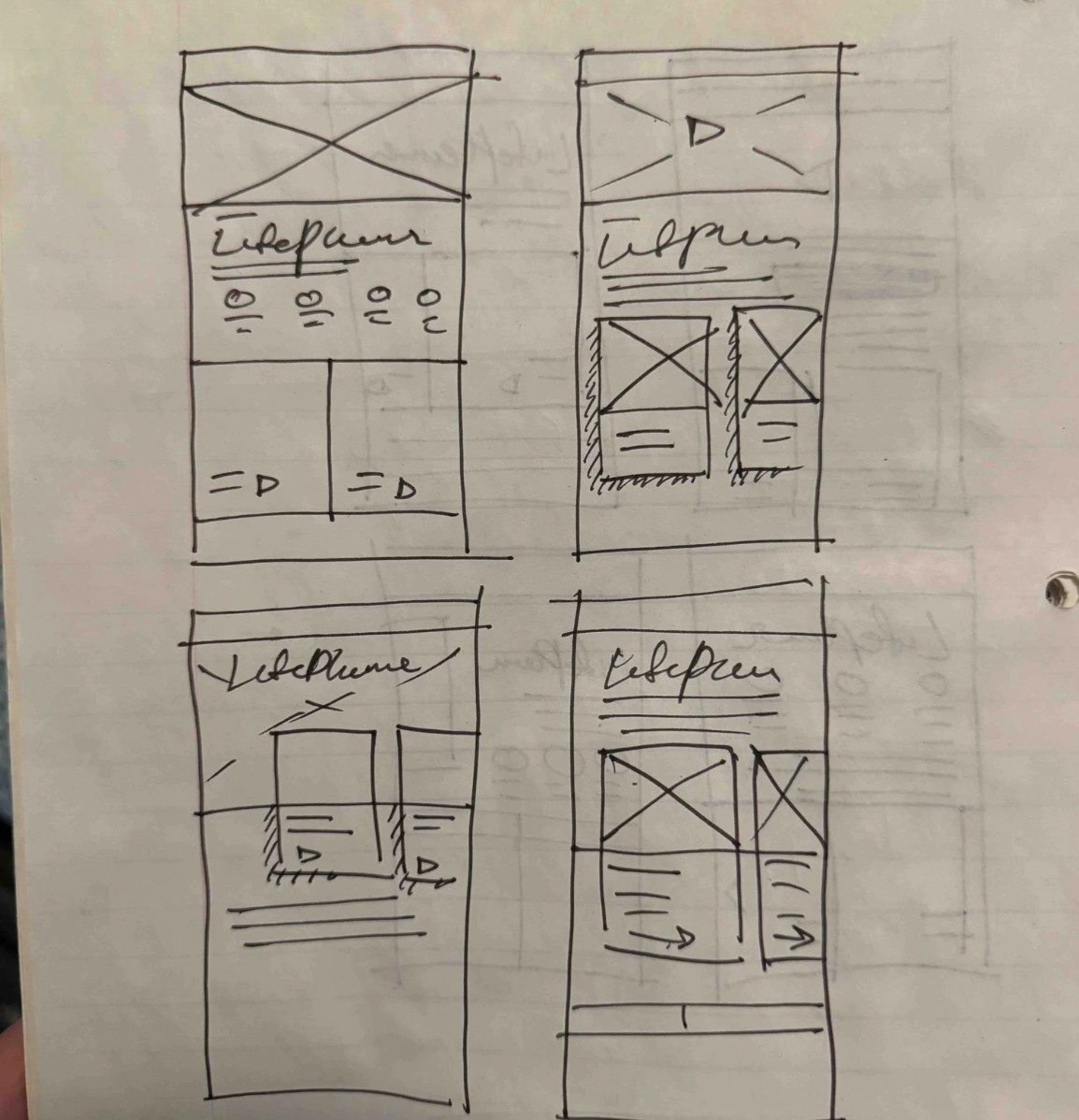
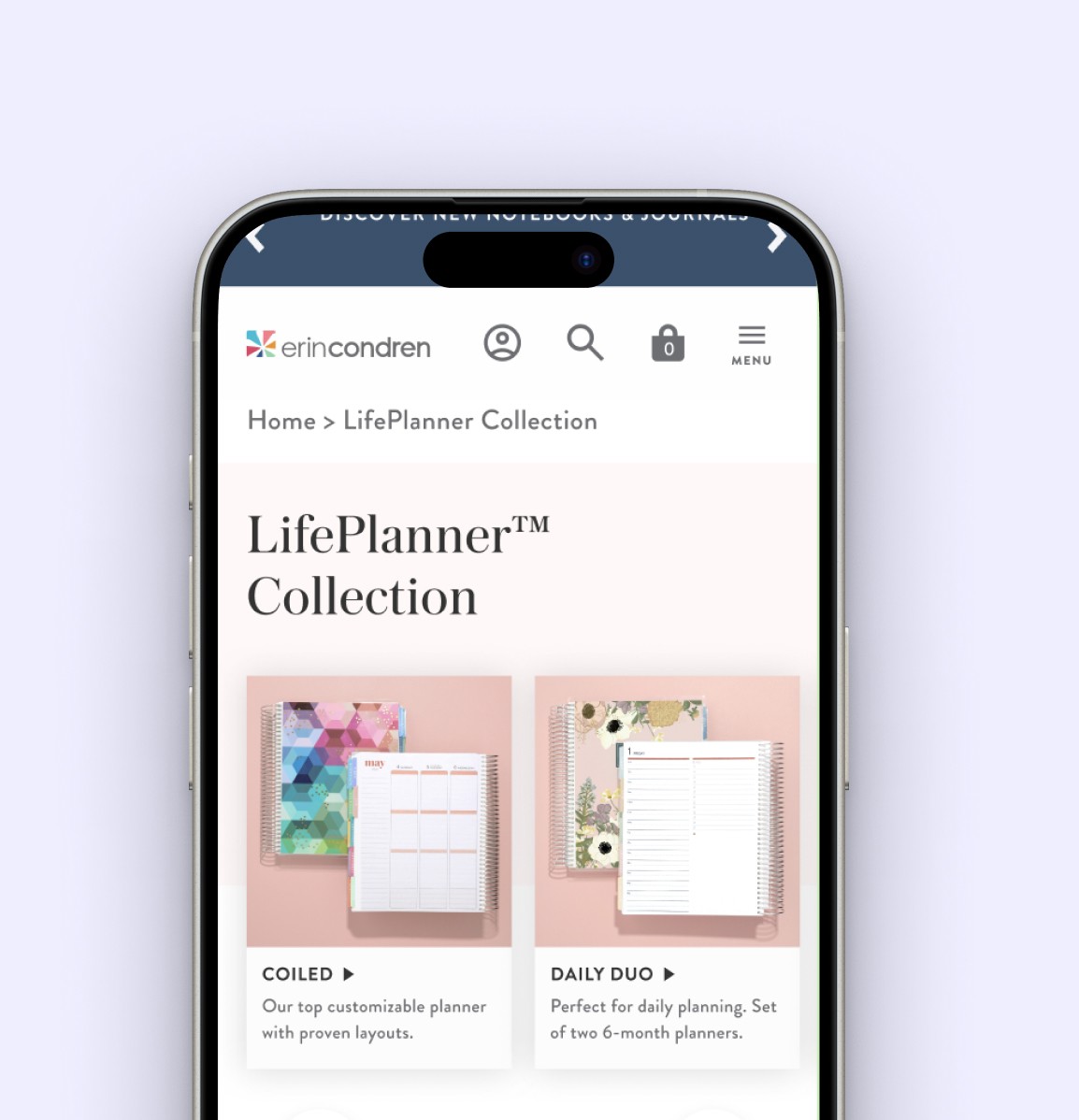
Customers could immediately see and jump to subcategories without scrolling. This directly addressed the discovery problem and supported both browsing and guided navigation.
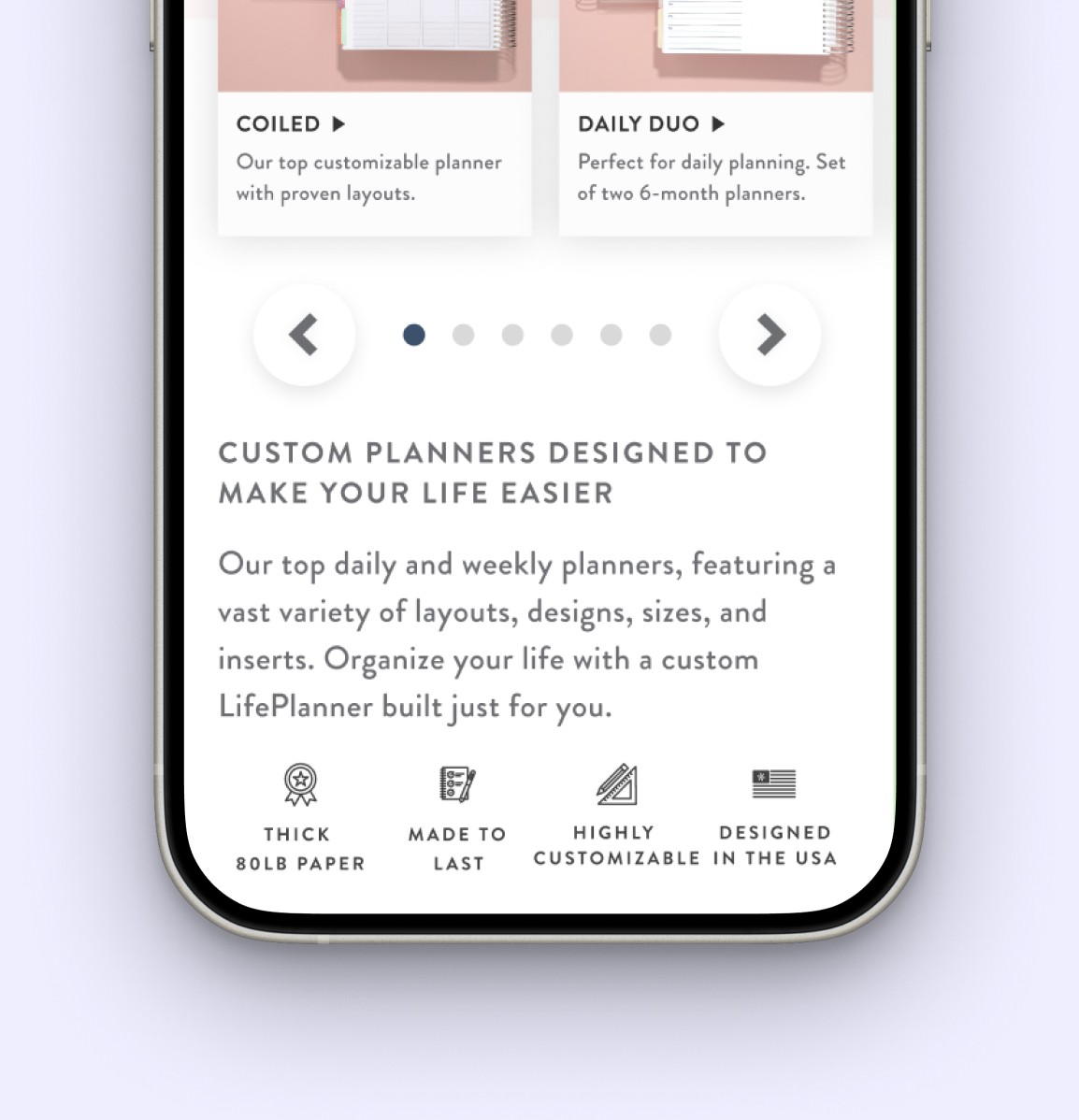
Replaced copy-heavy descriptions with digestible content
Shorter, scannable copy paired with icon-driven value props helped customers understand the category faster without reading walls of text.
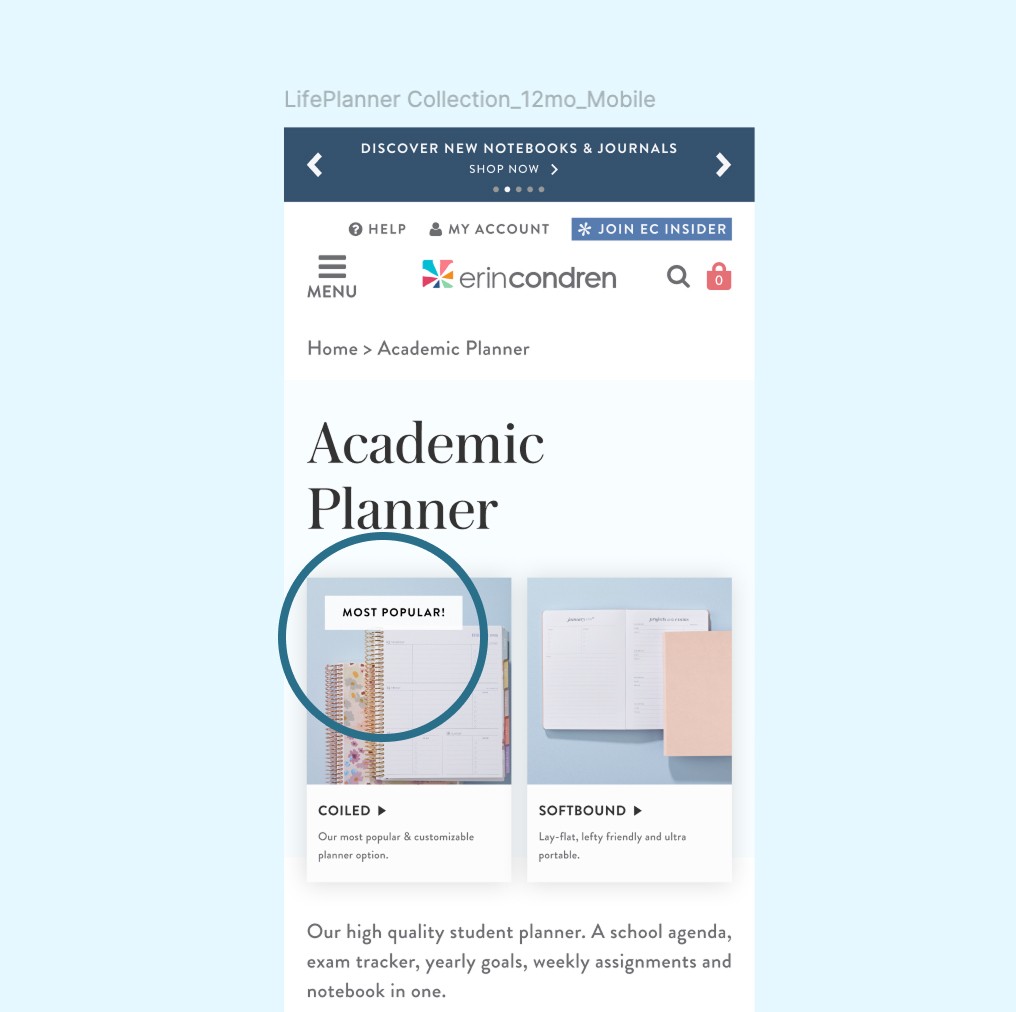
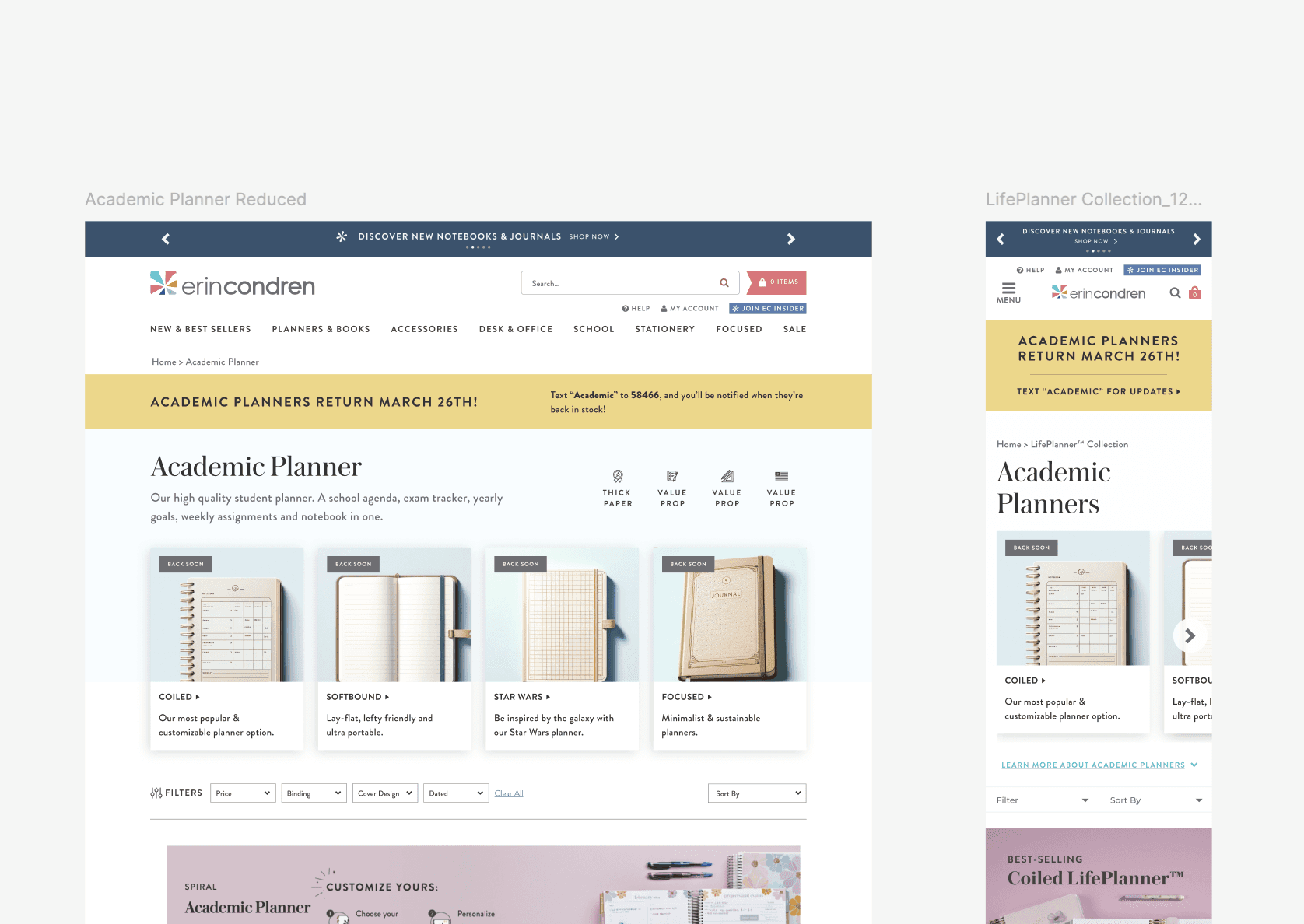
A/B tested on a single category page first
Launched on Notepads category, monitored conversion and bounce rate over 30 days, then rolled out across all major categories following strong results.
Results & Takeaways
34% increase in conversion rate 30% reduction in bounce rate Design rolled out across all major category pages
Takeaways
Testing on a single page before a full rollout was the right call. It gave us real conversion data to justify the broader investment and made stakeholder alignment significantly easier. The data from Notepads was the reason leadership approved the site-wide rollout, not the prototype.
The other thing this project reinforced: customers don't read, they scan. Every decision that reduced cognitive load and increased visual clarity moved the needle. The copy changes alone weren't enough. The structural changes to navigation and hierarchy were what drove the results.